Chemical Biology
Chemical Biology uses chemical approaches to reveal new molecular insights into macromolecules and their complexes with proteins, nucleic acids and/or small molecule compounds, probe molecular and biological activities at the individual or systems level and develop new diagnostics and treatments for various diseases.
Researchers
The Marmorstein laboratory studies the molecular mechanisms of (1) epigenetic regulation (2) protein post- and co-translational modification with a particular focus on protein acetylation, and (3) enzyme signaling in cancer and metabolism. The laboratory uses a broad range of biochemical, biophysical and structural research tools (X-ray crystallography and cryo-EM) to determine macromolecular structure and mechanism of action. The laboratory also uses high-throughput small molecule screening and structure-based design strategies to develop protein-specific small-molecule probes to interrogate protein function and for preclinical studies.
Chemical Biology cryoEM X-ray Crystallography
Our lab aims to develop molecular and cellular solutions to address important challenges in the biomedical sciences and clinical medicine, especially in the areas of imaging and diagnostics. We create small molecules, engineered proteins and cell-based tools that can "light up" and control in vivo biology using principles of chemical and synthetic biology. When possible, our technologies are translated to the clinic using nuclear medicine and molecular imaging techniques. For example, our group recently pioneered the development, preclinical testing, and human application of a new class of positron emission tomography (PET) radiotracers based on the small molecule antibiotic trimethoprim. These molecules have diverse applications in our broad fields of investigation including cancer biology, immunology, and infectious disease. If you have any questions about who we are and what we do, don't hesitate to reach out to us!
Chemical Biology
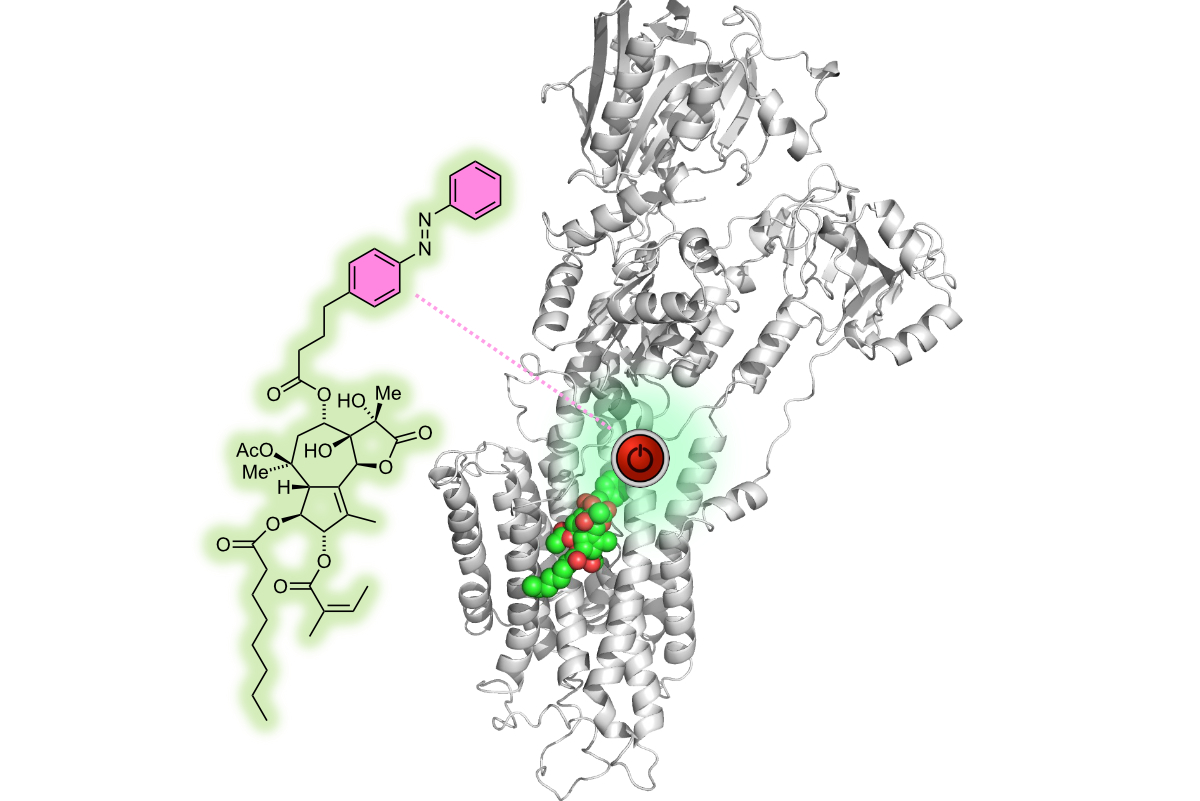
Our group is interested in chemical synthesis, synthetic methodology, chemical neuroscience, optogenetics, and photopharmacology. Natural products and photoswitches are always on our mind!
Chemical Biology cryoEM
The Burslem lab is interested in developing chemical tools to understand and modulate lysine post-translational modifications, specifically acetylation and ubiquitination. The laboratory is particularly interested in novel pharmacological approaches to modulate post-translational modifications which regulate gene expression and protein stability.
Chemical Biology Mass Spectrometry
While we conventionally think of genomic DNA as a simple polymer of A's, C's, G's, and T's, the chemistry of the genome is in fact far more interesting. Our laboratory focuses on the DNA modifying enzymes that provide an added layer of complexity to the genome. These enzymes can be involved in the purposeful introduction of mutations or in the chemical modification of nucleobases, making DNA a remarkably dynamic entity. Many of these processes are at the heart of the battle between the immune system and pathogens or are central to epigenetics.
Our work can be broadly classified in two areas:
Enzymatic deamination, oxidation and methylation of cytosine bases, with a focus on AID/APOBEC DNA deaminases and TET oxygenases
Targeting Pathogen Pathways that Promote Evolution and Antibiotic Resistance, with a focus on the LexA/RecA axis governing the bacterial SOS response.
We utilize a broad array of approaches, which include 1) biochemical characterization of enzyme mechanisms, 2) chemical synthesis of enzyme probes, and 3) biological assays spanning bacteriology, immunology, and virology to study DNA modifying enzymes and pro-mutagenic pathways.
Our research program aims to understand diversity generating enzymes and pathways in vitro, to perturb their function in physiological settings, and to harness the biotechnological potential of these diversity-generating pathways.
Chemical Biology cryoEM
As a part of the University of Pennsylvania’s Pathology Department, the Cherry Lab is interested in the interface between viruses and hosts. The Lab uses chemical and genetic screening technologies to perform a wide array of cell-based screens in human and insect cells studying emerging RNA viruses. The laboratory is interested in emerging and globally important arthropod-borne viruses including the three major families that infect humans: the flaviviruses, alphaviruses and bunyaviruses. We are interested in how these viruses are able to hijack cellular factors from insects to humans for their replication using only a small number of proteins. And how these viruses evade immunity is poorly understood. More recently the lab has expanded their studies to the emerging coronaviruses which have more species and cell type specific tropism. The lab explores how the innate immune system, the first line of defense, can recognize and respond to these invaders. Since much of the recognition of these invaders is at the level of nucleic acid recognition, and these are all RNA viruses, we have been exploring the role of RNA binding proteins and the RNA decay machinery in innate antiviral defense against these viruses. We are systematically exploring antiviral innate signaling activities in diverse cell types targeted by these viruses. For example, in the respiratory epithelium in the case of SARS-CoV-2 and neurons in the case of encephalitic arthropod-borne viruses. Moreover, arthropod-borne viruses infect the vector insect enterically, we use Drosophila to model these intestinal infections to explore the role of microbiota and innate defenses in the gut in the response to enteric arboviral infections.
We have also performed large scale screens for antiviral small molecules and have found many new antivirals with activity against SARS-CoV-2. In particular, we are focusing on nucleoside analogs, which are the largest class of known antivirals. We are exploring the mechanism of action of these drugs and how we may combine drugs to increase potency and reduce resistance. Through these studies we found that combining nucleoside biogenesis inhibitors and nucleoside analogs can synergistically block SARS-CoV-2 infection in vitro and in vivo. Future studies are aimed at understanding these interactions to improve antiviral development in SARS-CoB-2 and other viral infections. We are screening these drug libraries for additional antiviral activities against a large number of emerging RNA viruses.
In addition, the Cherry lab has extended their studies to precision medicine and oncology. In collaborations across UPENN including the high-throughput screening core, oncologists and pathologists the lab has developed a pipeline to test patient tumor cells for sensitivities to chemotherapeutics in an effort to personalize treatments. Work in acute myelogenous leukemia has demonstrated clear differences in patient responses and has uncovered new dependencies that will be translated into new treatment strategies in the future.
Chemical Biology Protein Production Services Protein Production
David C. Schultz is the Technical Director of the High-throughput Screening Core at the Perelman School of Medicine at the University of Pennsylvania. He obtained his BS in Biochemistry from Albright College and then his PhD with Andrew K. Godwin in Chemistry from Lehigh University, where he studied the molecular genetics of hereditary and sporadic breast and ovarian cancer. He then completed post-doctoral training in the laboratory of Frank J. Rauscher, III where he defined molecular mechanisms of transcriptional repression and epigenetic silencing of gene expression by the superfamily of KRAB-zinc finger proteins. Since 2006, Dr. Schultz has managed shared resource core facilities, including 8 years directing high-throughput screening and protein expression cores at the Wistar Institute and Penn (since 2014). During this time, he has collaborated with numerous investigators to perform high throughput screens, including target-based biochemical screens and phenotypic screens in diverse cell types, including immortalized cancer cell lines, primary leukemia cells from patients, fibroblasts, differentiated iPS cells, endothelial cells, B-lymphocytes, and HSPCs. As Technical Director of the High-throughput Screening Core (HTSC) he works collaboratively with investigators to design, optimize, and validate miniaturized assays for high-throughput genetic and chemical screening; oversees high-throughput screening campaigns, data analysis, and annotation; and design post-screening validation experiments for project progression. Since starting at Penn, he has been working with >60 investigators to develop novel, biochemical and cell-based screening assays to identify genes or small molecule inhibitors of diverse biology to further interrogate poorly understood biology and identify potential new treatment strategies for unmet medical need. One example of this effort is highlighted by the new pipeline Dr. Schultz has developed through the Precision Medicine Program in Chemogenomic Discovery a pipeline to directly screen primary AML patient tumor cells for sensitivities to FDA-approved drugs which will be used to direct new therapeutic approaches. This initial work in Acute Myelogenous Leukemia is moving into a clinical trial and this discovery platform is expanding to additional leukemias and solid tumors.
Dr. Schultz has also performed collaborative, large-scale screens for antiviral small molecules against SAR-CoV-2. From this screening, we found that pharmacological activation of STING may represent a promising therapeutic strategy to control SARS-CoV-2, and combining nucleoside biogenesis inhibitors and nucleoside analogs can synergistically block SARS-CoV-2 infection in vitro and in vivo. We are continuing to screen drug libraries for additional antiviral activities against a large number of emerging RNA viruses.
Protein Production Services Chemical Biology Protein Production
At Muzykantov's Lab, our mission is to revolutionize drug delivery for a healthier future. Since our establishment in the mid-nineties, we've been at the forefront of tackling a critical problem: drugs often lack the natural ability to reach their intended targets in the body, leading to the need for high doses and causing unwanted side effects. Additionally, some drugs simply don't work unless they are precisely localized in specific microenvironments within the body.
CryoEM and CryoET X-ray Crystallography and Biophysics X-ray Crystallography Chemical Biology
The Leimkuhler Grimes Group is interested in questions at the interface of chemistry and biology. Our lab uses carbohydrate synthesis, biochemistry, molecular biology and bacterial engineering to investigate activation of the human innate immune system. Our work has implications for understanding inflammatory bowel disease and other human diseases.
Faculty Chemical Biology
The Roark laboratory uses cryo-EM analysis of viral glycoproteins to visualize and define cellular entry and immune evasion mechanisms, including the characterization of neutralizing antibodies that can overcome these processes. Using residue‑level information obtained from immune complex structures, we design antibody-guided structure-based immunogens and evaluate their ability to recapitulate template antibody responses in animal models. Our current structural vaccinology efforts focus on persistent (lifelong) viruses without effective vaccines, such as HIV-1 and herpes simplex virus.
CryoEM and CryoET Chemical Biology cryoEM cryoET Faculty
At the Feradical (Aimin Liu) Lab, we study how enzymes harness metals and radical chemistry to carry out vital reactions in living systems. Our research focuses on metalloenzymes, protein radicals, and the unique catalytic intermediates that shape biological pathways. By integrating spectroscopy, structural biology, and mechanistic analysis, we seek to understand how these remarkable molecular machines work — and how their chemistry influences health, metabolism, and cellular regulation.
CryoEM and CryoET X-ray Crystallography Biophysics Chemical Biology cryoEM Mass Spectrometry
We investigate the molecular basis of neurodegenerative diseases, including FTLD and ALS, with a focus on protein aggregation, cellular proteostasis, and mechanisms of neuronal vulnerability that may lead to new therapeutic approaches.
CryoEM and CryoET Chemical Biology cryoEM cryoET
The Fuglestad lab is interested in expanding molecular study of peripheral membrane proteins and enabling new strategies in drug development for this difficult category of protein. Their approach is rooted in detailed structural and biophysical investigation of fundamental protein function, information that is used to better understand peripheral membrane proteins as drug targets and to guide inhibitor design efforts. In addition, the Fuglestad group develops new tools and methods to enhance the ability to better study peripheral membrane proteins and initiate drug discovery for these elusive targets. The Fuglestad lab has developed a unique membrane model, membrane-mimicking reverse micelles, which allow access to experiments that are otherwise difficult or impossible for this class of protein. Protein targets of interest to the Fuglestad lab, among others, include glutathione peroxidase 4, an important cancer target, p47phox, which is implicated in a variety of inflammatory and other diseases, and a range of lipid transport proteins which are fundamental to lipid organization in the cell, many of which are important therapeutic targets. The unique tools and approaches that the Fuglestad lab utilizes has answered important functional questions surrounding these proteins. Their work has demonstrated unique inhibition strategies that may help peripheral membrane proteins become more routine targets for drug discovery.
CryoEM and CryoET NMR X-ray Crystallography and Biophysics X-ray Crystallography Biophysics Chemical Biology NMR
Related people
Publications
Jordan HA, Tandurella JA, Vengayil V, Parnaik TS, Pokharel SM, Mulka K, Cherry S, Wherry EJ, Bartman CR. Metabolomics of in vivo inflammation identifies soluble sialic acid as a conserved myeloid-cell metabolite. J Biol Chem. 2026 Sep 7:113519. doi: 10.1016/j.jbc.2026.113519. Epub ahead of print. PMID: 42705538.
Abstract
During an immune response, metabolism changes dramatically. Metabolites are oxidized to power immune cell functions, serve as building blocks for proliferation, and act as effectors to regulate pathogen or host cells. Though metabolic changes in cultured cells have been studied extensively, metabolism changes in vivo are less understood. Here, we measured metabolomic changes across six mouse tissues in three models of immune activation: CpG-DNA cytokine storm, lymphocytic choriomeningitis virus infection, and polyI:C viral mimetic injection; and carried out metabolomics in cultured macrophages activated with different stimuli. We found most metabolomic changes were exclusive to either inflamed tissues or cultured macrophages, although itaconate was strongly induced in both contexts. We then mechanistically dissected the role of the soluble sialic acid N-glycolylneuraminic acid, which is highly induced in inflamed tissues yet only modestly in cultured macrophages. This metabolite increases in tissues in different models of inflammation, and the analogous human metabolite, N-acetylneuraminic acid, rises in human patients experiencing inflammation. We found that N-glycolylneuraminic acid is produced in CD11b+ myeloid cells by cleavage of protein-bound sialic acid. However, blocking its production did not affect CpG-DNA liver inflammation or LCMV infection in mice. Therefore, these experiments identify soluble sialic acid as a conserved biomarker of inflammation in mice and humans and highlight the differences in metabolism between in vitro and in vivo models of inflammation.